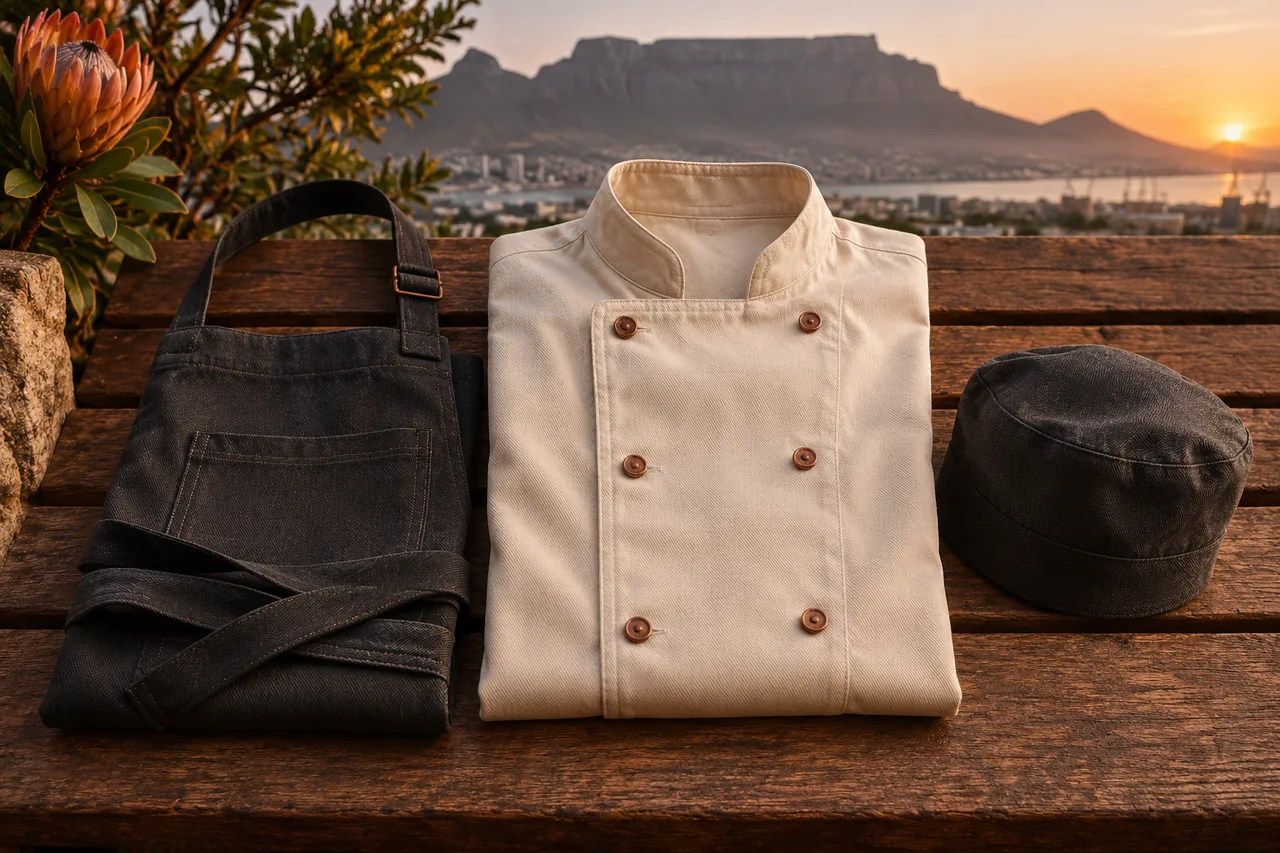
Chef Uniform Fabrics Explained: Comfort, Durability and Kitchen Performance
Learn how to read chefwear fabric details, compare material samples, test a jacket with an apron and check its care label against the kitchen laundry.
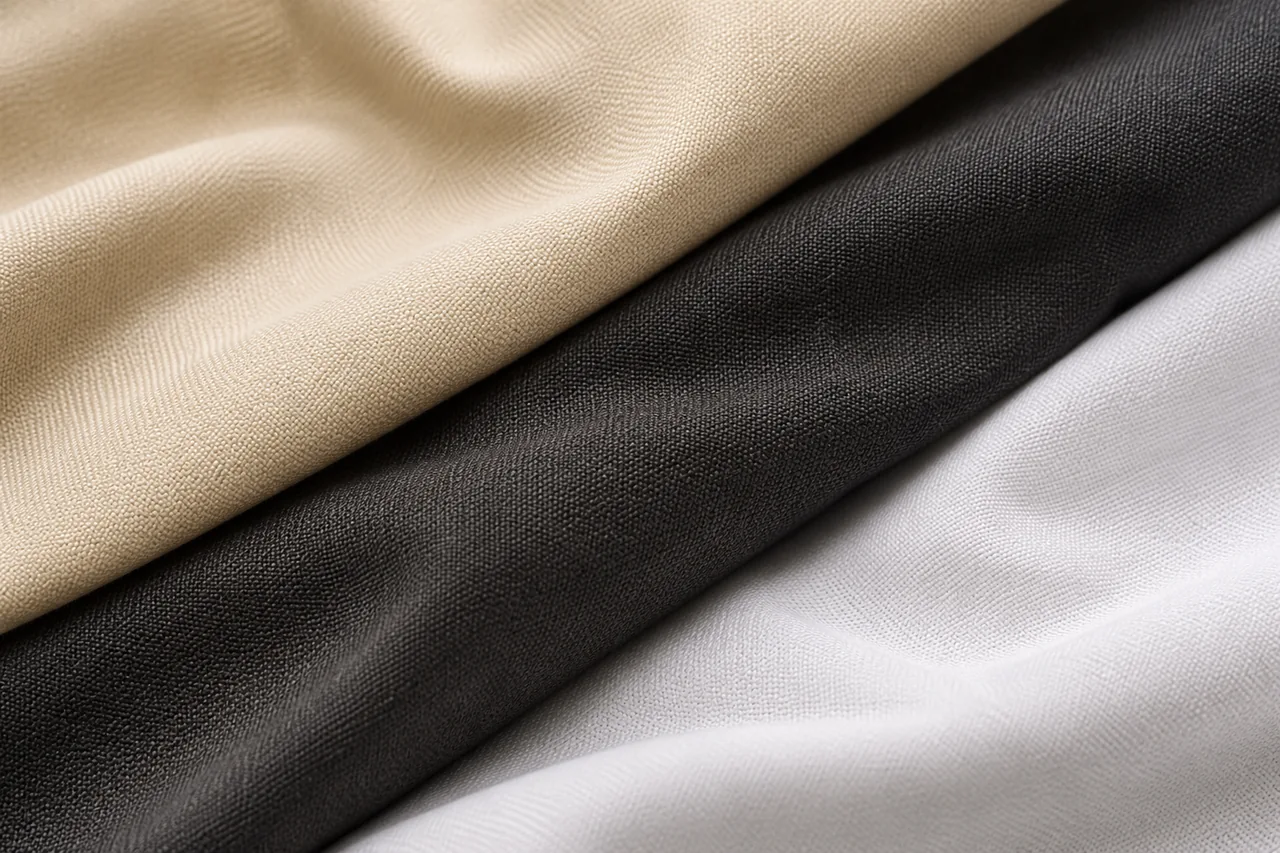
Read past the first word on the label
Two chef jackets can both say “cotton blend” and feel surprisingly different when you reach across a bench. One may hang loosely at the shoulder. The other may feel firm across the back. The fibre description matters, but the yarn, fabric construction, garment cut and layers you wear together all contribute to the result. Start your comparison with the exact garment and the job it needs to do.
Set two candidate pieces beside each other and collect the information available for each. Look for fibre percentages, fabric weight if supplied, construction details, garment measurements and care instructions. Mark any missing information as a question. That small habit prevents a general description of a fabric from becoming a promise about a particular jacket.
Understand what a fibre percentage tells you
A composition label tells you the proportion of named fibres in the textile it describes. A cotton and polyester blend contains both fibres, with the percentages giving their relative shares. Two garments with identical percentages may still behave differently because the fabric structure and finishing differ. Check whether panels, linings or trims have their own composition information.
Cotton absorbs moisture, which can change how a garment feels as it is worn. Polyester generally absorbs less moisture into the fibre itself. How quickly a finished garment dries also depends on its construction, the amount of water left after washing and the drying conditions. If drying time affects your shift rotation, compare the actual garments under the laundry routine you expect to use.
Handle the fabric as a garment
Lay a sleeve over your arm and move it as if reaching for a plate. Notice how the cloth folds at your elbow. Feel the reverse side where it touches your skin and where a seam joins two pieces. Then put the jacket on. A pleasant piece of cloth can feel quite different when it is cut close across the shoulders or sits underneath a tightly tied apron.
When comparing chef jackets, check whether a described panel appears on the exact option being quoted. Ask for a back view as well as a front view. Look at the areas covered by bib aprons and straps. If a detail is intended to improve comfort, the whole uniform needs to be part of the fitting, especially for a cook who spends most of service in an apron.
Put fabric weight in context
A figure in grams per square metre describes the mass of a specified area of fabric. It helps when comparing two clearly identified materials. It does not give the total weight of the garment, because style, size, layers, pockets and trims all contribute to that figure. Ask which fabric a quoted weight refers to if the garment contains several panels.
For chef trousers, try sitting, bending and walking in the chosen size. Check how the fabric drapes at the knee and whether pockets remain comfortable when used as intended. For an apron, assess how it hangs when tied, how the ties feel at the waist and whether the wearer can reach the pockets. Use the product specification and the trial together.
Give the care label a place in the decision
Match the garment to the laundry
Take the instructions for washing, bleaching, drying, ironing and professional cleaning to whoever oversees the laundry. Write down the process actually used at your site. Compare the two before ordering. A familiar fabric name is insufficient grounds for assuming a garment can tolerate a particular temperature, drying cycle or cleaning product. Closures, trims and applied decoration can also affect the permitted care.
If the supplier and laundry team agree to a sample trial, record the size, reference and measurements before washing. Follow the permitted process and measure again in the same way after drying. Look at the collar, seams, colour, fastening and overall fit. One trial gives a practical observation under those conditions. Long-term durability still depends on repeated use and care.
Ask better questions about performance
“Suitable for a kitchen” covers many different workplaces. A bakery bench, a hotel pass and a receiving area put different demands on clothing. Explain the relevant task and ask what the supplier can document for the specific garment. If the workplace requires protective performance or certification, take that requirement to the responsible safety lead and request the matching product documentation before selection.
For normal wear, note where garments from your current rotation tend to fail. A repeated problem near an apron tie or pocket opening gives you a precise place to inspect on a sample. Where a change of cut solves the problem, switching fibres alone would miss it. Record what you observed and revisit it after the trial.
Keep a comparison your colleagues can repeat
Create one entry per garment with its reference, composition, available construction details, selected size, care requirements and wearer comments. Add the name of the laundry process used for any trial. If a supplier changes the specification later, those details tell the next buyer exactly what needs checking again.
Explore aprons for kitchen teams alongside the jackets and trousers in your shortlist. When requesting a uniform quotation, include the care information you need and explain how the garments will be laundered. This gives the team a concrete question to answer before the first set enters service.